
News
Jul 03, 2026 - Buying Leonardo Helicopter Parts
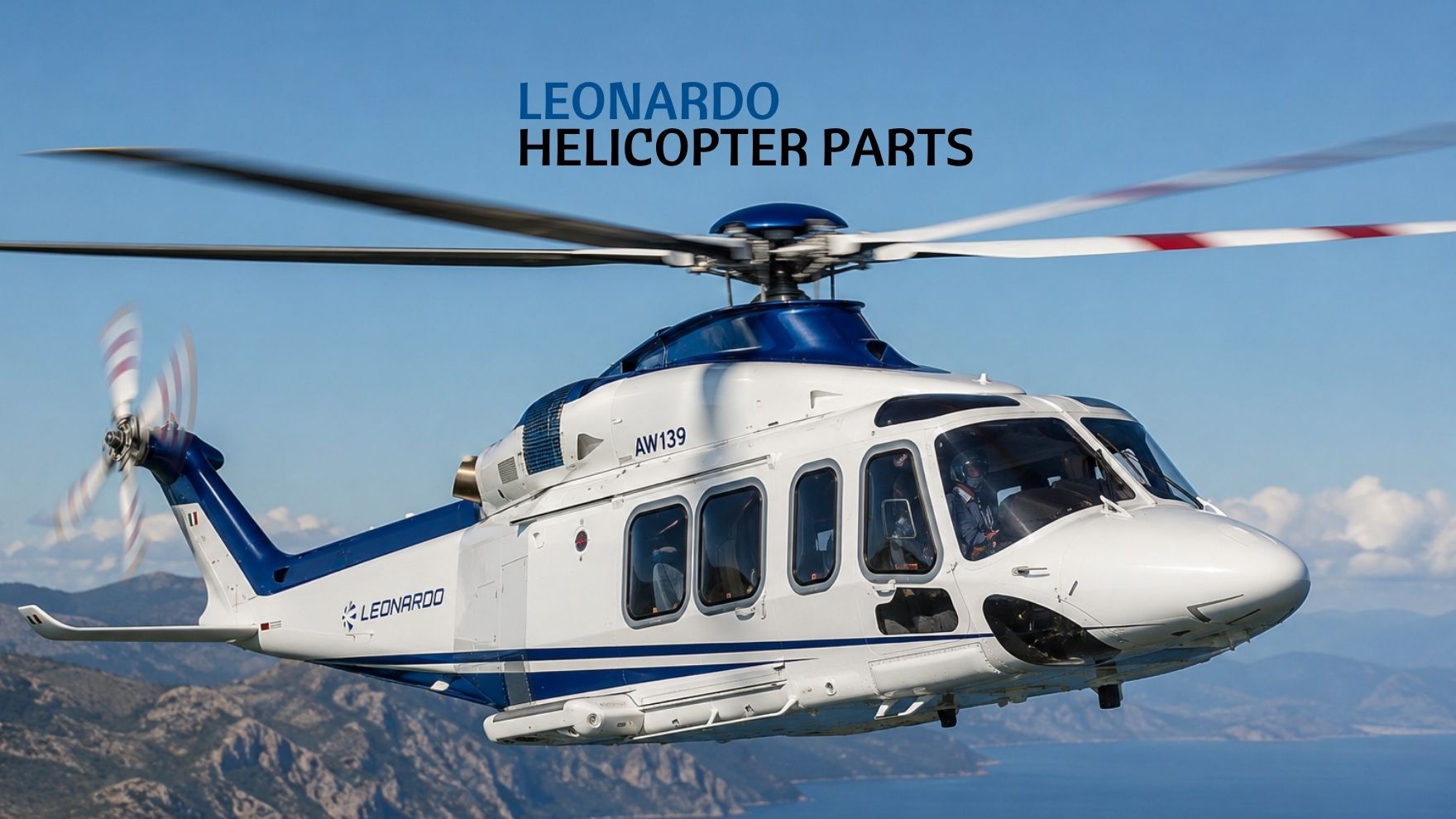
Leonardo helicopters operate in demanding, mission-critical environments where aircraft availability, maintenance efficiency, and parts readiness have a direct impact on operational performance. Operators supporting EMS (air ambulance), corporate and VIP transport, utility, law enforcement, and government missions cannot afford extended downtime, as even a minor maintenance issue can quickly result in an Aircraft on Ground (AOG) event with significant operational and financial consequences.
Aircraft such as the Leonardo AW109 and AW119 are engineered for exceptional performance and versatility, but like all advanced rotorcraft, they depend on timely access to OEM-approved spare parts and rotables to support scheduled maintenance, life-limited component replacements, and unexpected repairs. Leonardo Helicopter Parts Support plays a critical role in ensuring these aircraft remain operational and mission ready.
While Leonardo helicopters share common design principles, including advanced avionics, modular systems, and standardized maintenance practices, each model has unique rotor, transmission, and airframe components with specific maintenance requirements. Understanding the parts most prone to wear and maintaining reliable access to replacement components is essential for minimizing downtime, reducing AOG risk, and maximizing fleet availability.
Who Needs Leonardo Helicopter Parts Support
Demand for Leonardo helicopter parts is driven primarily by operators that rely on high dispatch reliability and tight mission turnaround windows.
Emergency Medical Services (EMS) and Air Ambulance Operators
AW119 and AW109 variants are widely used for EMS missions due to their size, speed, and IFR capability. These operators depend heavily on fast-moving consumable spares, including hydraulic components, landing gear actuators, and avionics replacements. A grounded EMS helicopter directly impacts patient response times, making AOG parts availability critical.
VIP and Corporate Transport Operators
AW109 and AW119 helicopters are widely used for executive transport. While flight hours may be lower than in utility operations, these aircraft demand high cosmetic and mechanical reliability, particularly in interior systems, vibration dampers, landing gear assemblies, and avionics upgrades.
MRO Facilities and Maintenance Providers
Approved maintenance organisations and helicopter MRO (Maintenance, Repair and Overhaul) centres require continuous access to OEM or OEM-equivalent parts to support scheduled maintenance, heavy inspections, and unscheduled repairs.
Leonardo helicopter fleets are widely used in EMS, utility, executive transport, and commercial aviation. Their performance depends heavily on maintaining a continuous supply of certified parts across multiple complex systems, particularly rotor dynamics, transmission assemblies, hydraulics, and avionics. In this environment, Leonardo parts support is not simply maintenance logistics—it is a core operational requirement that determines whether aircraft remain available or become grounded. For operators where every flight matters, proactive parts availability is a defining factor in preventing AOG downtime and maintaining fleet readiness.
Key Leonardo Helicopter Models and Parts Demand Profiles
Leonardo AW109 Series
The AW109 is a light twin-engine helicopter used for EMS, VIP, and law enforcement applications.
Common AOG drivers include:
-
Main rotor dampers and hub components
-
Tail rotor pitch control linkage wear
-
Hydraulic pump failures
-
Landing gear actuators and shock struts
-
Avionics LRUs (Garmin or Honeywell systems depending on configuration)
Because of its high-speed rotor system and light airframe, vibration-related fatigue on rotor track-and-balance components is a frequent maintenance focus.
Leonardo AW119
The AW119 is a single-engine light helicopter widely used for utility, law enforcement, EMS, and training operations, valued for its reliability, performance, and low operating costs.
Frequent parts requirements include:
-
Main rotor blade retention and hub components
-
Tail rotor gearbox bearings and seals
-
Engine air intake and filtration components
-
Landing gear shock absorber assemblies
-
Flight control linkages and actuator components
The AW119's simple yet dependable design supports high aircraft availability, with routine replacement of rotor system, engine, and flight control components helping minimize downtime and maintain operational readiness.
Most Common Leonardo Helicopter Parts Leading to AOG Situations
AOG events typically arise from failures in rotor dynamics, transmission systems, hydraulics, or avionics LRUs. Across Leonardo helicopter platforms, the following categories consistently represent the highest operational risk.
Rotor System Components
Rotor systems are under constant fatigue loading, making them among the most inspection-sensitive assemblies.
Common replacement items include:
-
Main rotor hub components
-
Blade dampers and pitch links
-
Tension links and retention hardware
-
Tail rotor pitch control assemblies
Even minor wear or crack indications can trigger immediate grounding due to flight safety requirements.
Transmission and Gearbox Systems
The main gearbox and intermediate gearboxes are mission-critical.
Common issues include:
-
Bearing wear and lubrication degradation
-
Gear tooth pitting under high torque cycles
-
Oil system contamination
-
Thermal stress failures during continuous operations
Any anomaly in gearbox chip detection systems can result in immediate AOG status until inspection and corrective action are completed.
Tail Rotor Drive and Control Systems
Tail rotor assemblies are essential for directional control.
Common replacement items include:
-
Duplex bearings
-
Pitch change mechanisms
-
Tail rotor gearboxes
-
Drive shaft couplings
These systems operate under high rotational stress and are sensitive to lubrication and alignment.
Hydraulic Systems
Hydraulics control flight systems, landing gear, and rotor actuation.
Common components include:
-
Hydraulic pumps
-
Servo actuators
-
Reservoirs and pressure regulators
-
Seals and high-pressure lines
Hydraulic leaks or pressure instability frequently lead to operational restrictions or grounding.
Avionics Systems
Modern Leonardo aircraft rely heavily on integrated avionics suites.
Critical components include:
-
Flight management computers
-
Navigation units
-
Communication units
-
Health and Usage Monitoring Systems (HUMS)
Failure of a single LRU can ground the aircraft if redundancy requirements are not met.
Landing Gear Assemblies
High-cycle operations drive wear in:
-
Shock absorbers and oleo struts
-
Retraction actuators
-
Brake assemblies and wheels
Corrosion and repeated landing cycles contribute to accelerated wear and increased inspection requirements.
Why Leonardo Parts Availability Directly Impacts AOG Risk
Leonardo helicopters operate in environments where dispatch reliability is closely tied to safety compliance and operational commitments. Operators typically cannot defer maintenance because of regulatory requirements and strict flight-hour tracking.
AOG risk increases when:
-
Long lead-time OEM components are not pre-stocked
-
Regional inventory is limited
-
Aircraft-specific configurations reduce interchangeability
-
Corrosion or fatigue inspections reveal unexpected removals
-
HUMS alerts trigger precautionary replacement of rotating components
For this reason, operators often maintain strategic spares pools covering high-risk assemblies such as rotor heads, gearboxes, hydraulic actuators, and avionics LRUs.
Operational Strategy to Reduce Downtime
To minimise AOG exposure, helicopter operators commonly implement:
-
Rotable pooling programs for gearbox and rotor assemblies
-
Predictive maintenance based on HUMS data trends
-
Component life tracking aligned with OEM limits
-
Pre-positioned spares at maintenance facilities and remote operating locations
-
Rapid AOG logistics agreements for critical assemblies
This structured approach ensures that when faults occur, replacement components can often be installed within hours rather than days, helping operators maintain availability and reduce costly downtime.